Get Handicap Ramp Installation
Local contractors offer handicap ramp installation services to improve accessibility for homes and businesses, helping to solve mobility challenges and ensure safe entry.
If you are considering handicap ramp installation, you are in the right place to explore your options. Property owners in the area often look into ramp solutions to improve accessibility, whether for personal convenience, accommodating visitors, or preparing for future needs. Planning a project like this involves evaluating different approaches and finding experienced local contractors who can deliver results that meet specific requirements. Continuing to review available services can help ensure the right choice is made for your property’s unique layout and accessibility goals.
Comparing local service providers can provide valuable insights into the variety of options available for handicap ramp installation. Many property owners find it helpful to gather information on the types of ramps, materials, and installation techniques offered by nearby contractors. This research can support informed decisions, helping to select experienced professionals who understand the local environment and accessibility standards. Keep reading to learn more about how local experts can assist with planning and executing a successful ramp installation project.
- Residential Homes - homeowners may need handicap ramp installation to improve accessibility for family members or guests with mobility challenges.
- Apartment Complexes - property managers seek ramps to ensure compliance and provide easier access for residents with disabilities.
- Commercial Buildings - business owners often require ramps to meet accessibility standards and serve customers or employees with disabilities.
- Public Facilities - government or community centers might need ramps to accommodate visitors with mobility impairments.
- Healthcare Facilities - clinics and hospitals may install ramps to facilitate patient access and adhere to accessibility regulations.
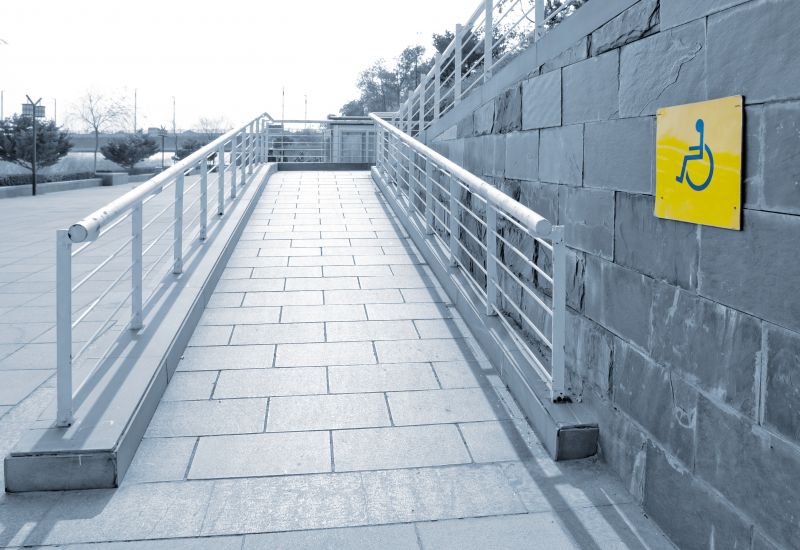
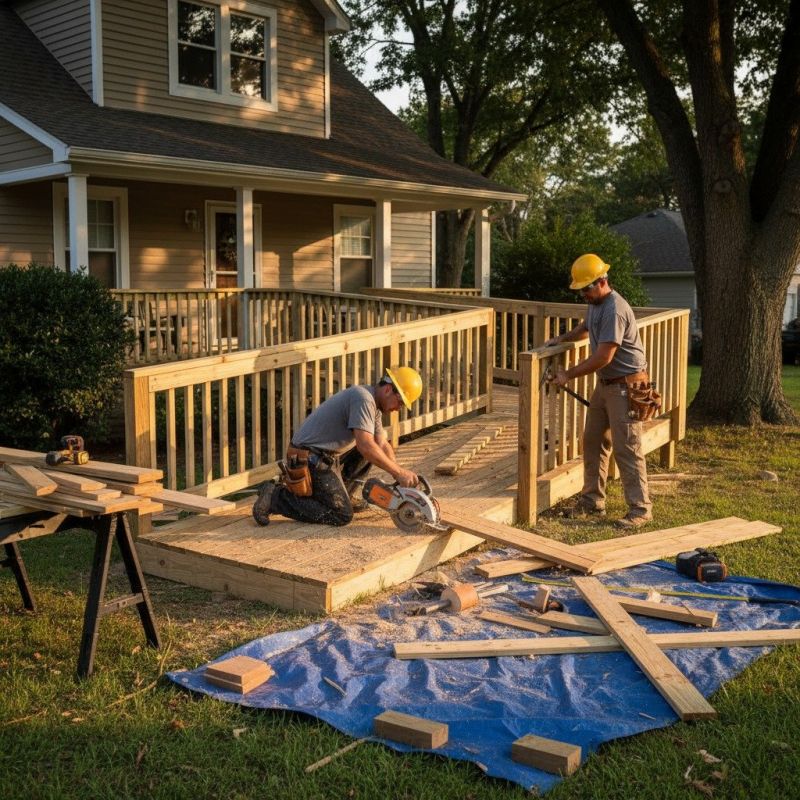
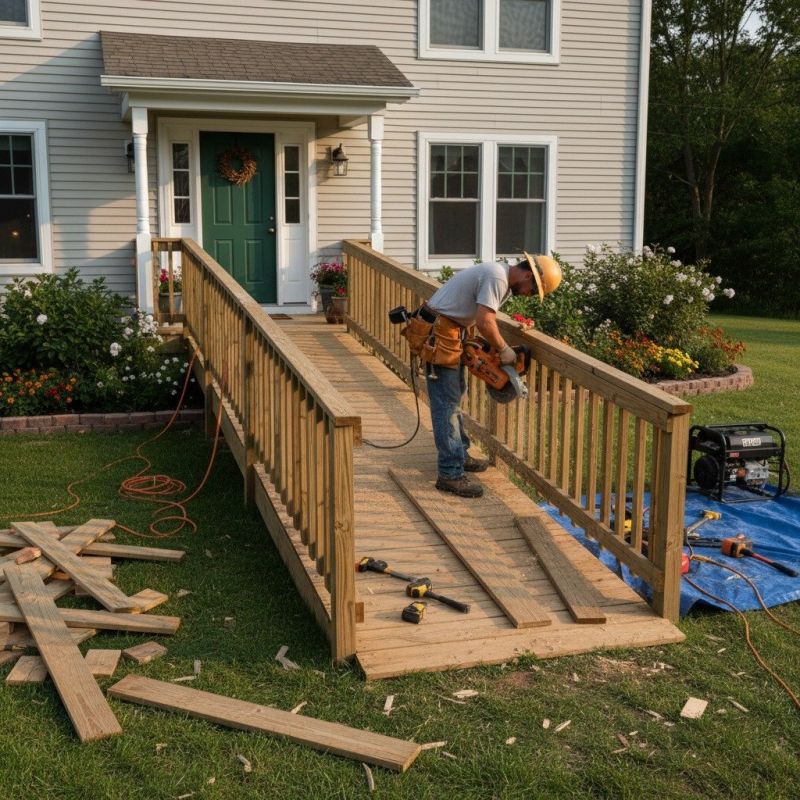
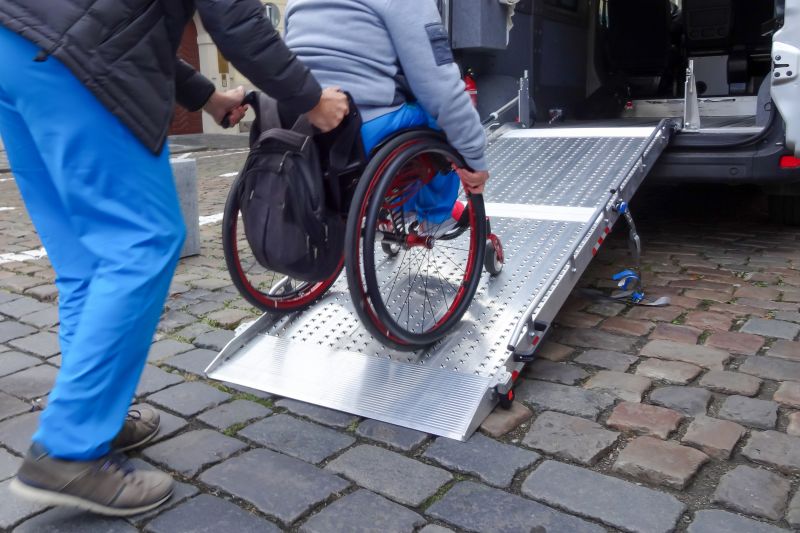
Handicap ramp installation services involve the design, construction, and placement of ramps that provide accessible entry points to homes and buildings. These ramps are tailored to meet specific mobility needs, ensuring a smooth transition from ground level to doorways or other elevated areas. Service providers typically evaluate the property layout and recommend the most suitable ramp type, whether it’s a permanent structure or a portable option. The goal is to create a safe, stable, and convenient pathway that accommodates wheelchairs, walkers, or other mobility devices, making daily access easier for individuals with limited mobility.
This service helps address common challenges faced by those with mobility impairments or injuries, such as difficulty navigating stairs or uneven surfaces. Installing a handicap ramp can eliminate barriers that prevent independent movement around the property, reducing the risk of falls or accidents. It also provides peace of mind for family members and caregivers by ensuring that loved ones can move freely and safely within and around the home. Whether it’s for a temporary recovery or long-term accessibility needs, professional ramp installation offers a practical solution to improve safety and independence.
Handicap ramp installation is often needed on a variety of property types, including single-family homes, apartment complexes, commercial buildings, and public facilities. Homes with steps at the entrance or uneven terrain benefit from a well-placed ramp to improve access. Commercial properties, such as retail stores or offices, may require ramps to comply with accessibility standards and accommodate customers or employees with disabilities. Additionally, properties that experience changes in elevation or have multiple levels can benefit from custom-designed ramps that fit the specific layout. Service providers work with property owners to select and install the right type of ramp that complements the property’s structure and meets individual needs.
For homeowners and property managers considering handicap ramp installation, understanding the scope of the service can help determine if it’s the right solution. These ramps can be built from various materials like aluminum, wood, or composite, depending on durability, aesthetics, and budget. Local contractors can assess the property’s access points, evaluate any structural considerations, and recommend a suitable ramp design. The goal is to create a safe, functional, and accessible entryway that enhances mobility and independence. Contacting experienced service providers can help explore options and ensure the installation process aligns with the specific needs of the property and its residents.
The overview below groups typical Handicap Ramp Installation projects into broad ranges so you can see how smaller, mid-sized, and larger jobs often compare in your area.
In many markets, a large share of routine jobs stays in the lower and middle ranges, while only a smaller percentage of projects moves into the highest bands when the work is more complex or site conditions are harder than average.
Smaller Repairs - Typical costs for minor ramp repairs or modifications generally range from $250 to $600. Many routine jobs fall within this middle range, depending on the scope of work and materials needed.
Standard Installations - Installing a new handicap ramp usually costs between $1,000 and $3,000. Local contractors often handle these projects within this range, which covers most standard accessibility upgrades.
Full Replacement - Replacing an existing ramp with a custom or larger structure can range from $3,500 to $6,000 or more. Larger, more complex projects tend to push into the higher end of this spectrum.
Complex or Custom Projects - Highly customized or multi-level ramps can exceed $6,000, with some larger projects reaching $10,000+ depending on design and site conditions. Fewer projects fall into this highest tier, but costs can vary significantly based on specific needs.
Actual totals will depend on details like access to the work area, the scope of the project, and the materials selected, so use these as general starting points rather than exact figures.
Wheelchair Ramps - local contractors specializing in wheelchair ramps often have skills in platform design and installation similar to handicap ramp projects.
Accessibility Doorway Modifications - installing wider doorways and threshold ramps requires planning and carpentry skills comparable to ramp installation services.
Home Elevators and Lifts - service providers working on residential lifts share planning, structural assessment, and installation skills with handicap ramp specialists.
Commercial Accessibility Improvements - upgrading public or commercial spaces for accessibility involves similar project planning and construction expertise as residential ramp services.
Stairlift Installation - installing stairlifts involves understanding of structural adjustments and mechanical systems akin to ramp installation work.
Outdoor Pathway Construction - constructing accessible outdoor pathways requires terrain assessment and durable material installation similar to handicap ramp projects.
When evaluating service providers for handicap ramp installation, it’s important to consider their experience with similar projects. Homeowners should look for local contractors who have a proven track record of successfully completing ramp installations that match their specific needs. An experienced professional will understand the common challenges of such projects and be familiar with the best practices to ensure a safe and functional outcome. Gathering information about past work can help determine if a contractor has the relevant expertise to handle the complexity and unique requirements of each home.
Clear, written expectations are essential for a smooth project process. Homeowners should seek out service providers who can provide detailed descriptions of the scope of work, materials, and any other relevant details in writing. This transparency helps prevent misunderstandings and sets a foundation for a mutually agreed-upon plan. It’s also beneficial to ask for a straightforward explanation of the process, so expectations are aligned from the start, and there are no surprises once work begins.
Reputable references and good communication are key indicators of a dependable local contractor. Homeowners can ask potential service providers for references from previous clients to gain insight into their reliability, professionalism, and quality of work. Additionally, observing how promptly and clearly a contractor responds to questions or concerns during the initial contact can reveal their level of communication. Choosing a provider who values clear communication and has positive references can help ensure the project progresses smoothly and meets expectations. It’s important to remember that this site introduces homeowners to local options, but the actual work is performed by the selected service providers.
Property owners use Handicap Ramp Installation services for practical projects around their homes and businesses. This guide focuses on everyday jobs and straightforward project options.

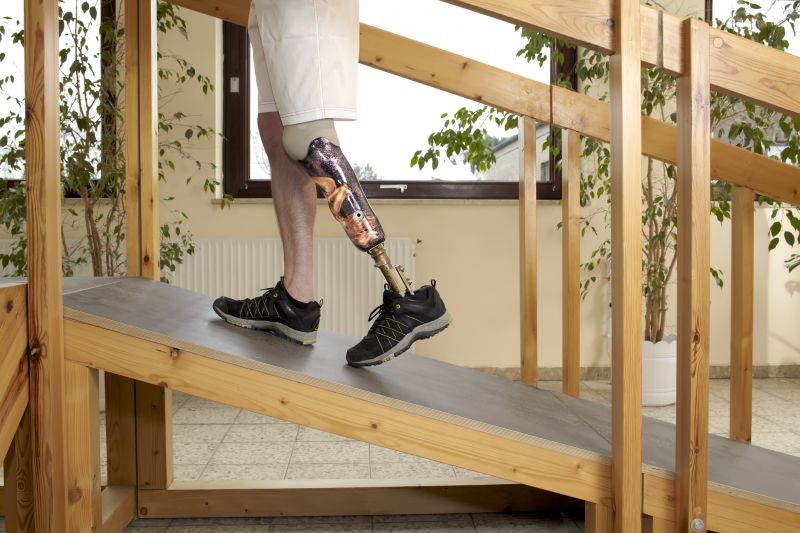
Handicap ramp installation services are often sought after by property owners facing accessibility challenges around their homes or businesses. Whether due to aging, mobility impairments, or accommodating visitors with special needs, many seek simple, effective solutions to improve access to entrances, porches, or outdoor areas. Local contractors can provide the expertise needed to design and install ramps that meet individual needs, ensuring that properties remain welcoming and functional for all visitors.
Property owners may also look for handicap ramp installation when making modifications to comply with accessibility standards or to enhance safety. In some cases, a new ramp is necessary after renovations or to replace outdated, unsafe structures. Local service providers can evaluate existing setups, recommend suitable options, and handle the installation efficiently, helping property owners create more inclusive spaces without extensive disruption.
What types of handicap ramps are available for installation? Local contractors typically offer a variety of ramp types, including straight, foldable, and modular designs, to suit different accessibility needs and property layouts.
How do I determine the best ramp style for my property? A consultation with local service providers can help assess your space and mobility requirements to recommend the most suitable ramp options.
Are there specific materials used for handicap ramp installations? Common materials include aluminum, wood, and composite options, chosen for durability, safety, and suitability to the environment.
What are the common installation requirements for handicap ramps? Local contractors typically evaluate site conditions, ensure proper slope and support, and adhere to accessibility standards during installation.
Can a handicap ramp be customized to fit unique property features? Yes, many service providers can design and install custom ramps to accommodate specific space constraints and aesthetic preferences.
Accessible Entryways - Installing a handicap ramp can make entryways more accessible for individuals using wheelchairs, walkers, or mobility aids. Local contractors can help create smooth, safe pathways for daily use.
Home Modifications for Independence - A custom ramp allows residents to move freely between indoor and outdoor spaces without assistance. Service providers can tailor solutions to fit specific property layouts.
Improving Safety on Sloped Surfaces - Ramps provide a safer alternative to stairs, reducing the risk of falls for those with limited mobility. Local pros can ensure the installation meets safety standards.
Enhancing Property Accessibility - Adding a handicap ramp can improve overall accessibility for visitors or family members with mobility challenges. Local contractors can assist in integrating ramps seamlessly into existing property designs.
If you are thinking about Handicap Ramp Installation for a property, this guide is meant to help you understand the work, the typical project types, and how different options might fit your plans.
When you are ready, you can use the quote form on this page to share a few details about your project. From there, local pros can review the basics and respond with options that match what you have in mind.